
What do the professional film critics say? This audience doesn’t care. What’s the plot of the movie? It’s immaterial.
Welcome to the world of the hard-action film trailers.
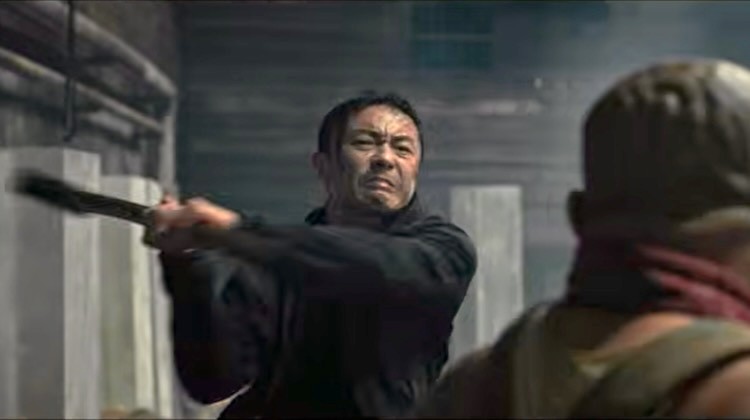
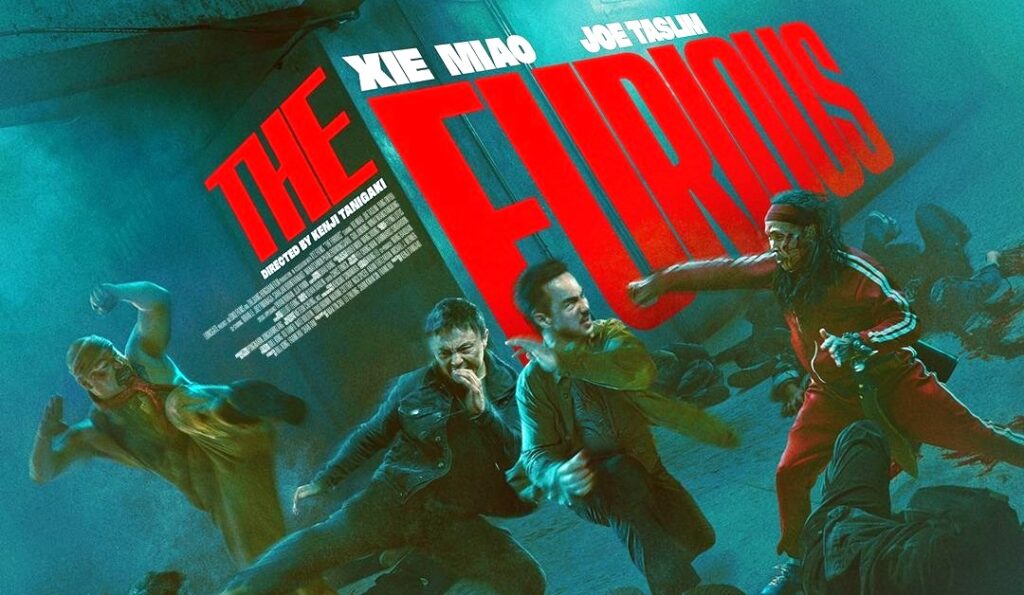
Liongate acquired distribution rights to the Hong Kong martial arts film “The Furious” for May 29 cinema premiere in North America (U.S. and Canada). It’s R-rated and the trailer is a case study that ultra-violence sells. For example, a sledgehammer hits a head (pictured above) and other graphic moments, though the camera turns away before blood splatters.
The trailer includes large text “A Non-Stop Storm … Of Violence,” quoting a commentator. Given it’s an R-rated movie (ages under 17 require parent or guardian for admission), placement is required in media where audience ages 17 and older dominate.
“The words brutal and intense will be seared on to your brain after watching ” the trailer, says a Hollywood Reporter story by Abid Rahman. “ ‘The Furious’ premiered as part of the Midnight Madness sidebar of the 2025 Toronto Film Festival and was a huge hit with viewers, finishing as a runners up in the (sidebar’s) People’s Choice Award. After its debut at TIFF, Lionsgate acquired the worldwide rights (excluding China, Hong Kong and Macao) to the film.” Lionsgate is Hollywood’s biggest independent film company.
The fanboy demographic of youthful pop-culture and horror aficianados are plugged into media, and so are eager to embrace slick graphic trailers. “The Furious” is by all accounts a good movie with a great trailer for the heavy action genre.
The trailer ignites a buzz. “Get ready to get angry this summer as the wildest martial arts movie of the year smashes its way into your local theater,” wrote Rob London on Collider.com on March 24.
Firstshowing.net calls the trailer “badass … the best action movie of the year!” That’s a little premature, since the movie isn’t yet in theaters and the year is barely one-quarter over. But fanboys like to gush.
Trailers set the tone, such as for Warner Bros. Pictures’ dark and violent “The Joker” in 2019.
Going back in history, the 1971 British import “A Clockwork Orange” predicted a future of mindless violence in society, and was a watershed movie for its brutal content. Stanley Kubrick’s “A Clockwork Orange” was made by top film creative talent and distributed by major studio Warner Bros. Pictures, not some cheesy indie. Sam Peckinpah’s “The Wild Bunch” (1969) and “Straw Dogs” (1971) also broke ground in terms of mainstream film violence.
The genesis of today’s hard-action trailers can be traced to the 1950s, when independent film distributors pioneered their own style for horror and action films. “A favorite visual,” says the third edition of academic/business book “Marketing to Moviegoers,” shows a pretty but alarmed young woman who is bound in a spread-eagle position, which projects both horror and a subtle suggestion of kinky sex. ‘It’s an orgy of terror,’ one trailer voiceover intones.” That’s suggestive, but tame by today’s standards.
From the 1920s until the 1960s, Hollywood movies and their marketing was white-washed by self-regulation. A 1930 article in the New York Post announced and described the self-regulation censorship (the so-called Hays Code) as “barring profanity, substance abuse, homosexuality, ridiculing religion” and enforcing a prudish, strait-laced depiction of sexual mores. Today’s five-point film classification system replaced it in 1968, opening the door to more edgy and realistic content.
Times have changed!
Related content:
Leave a Reply